
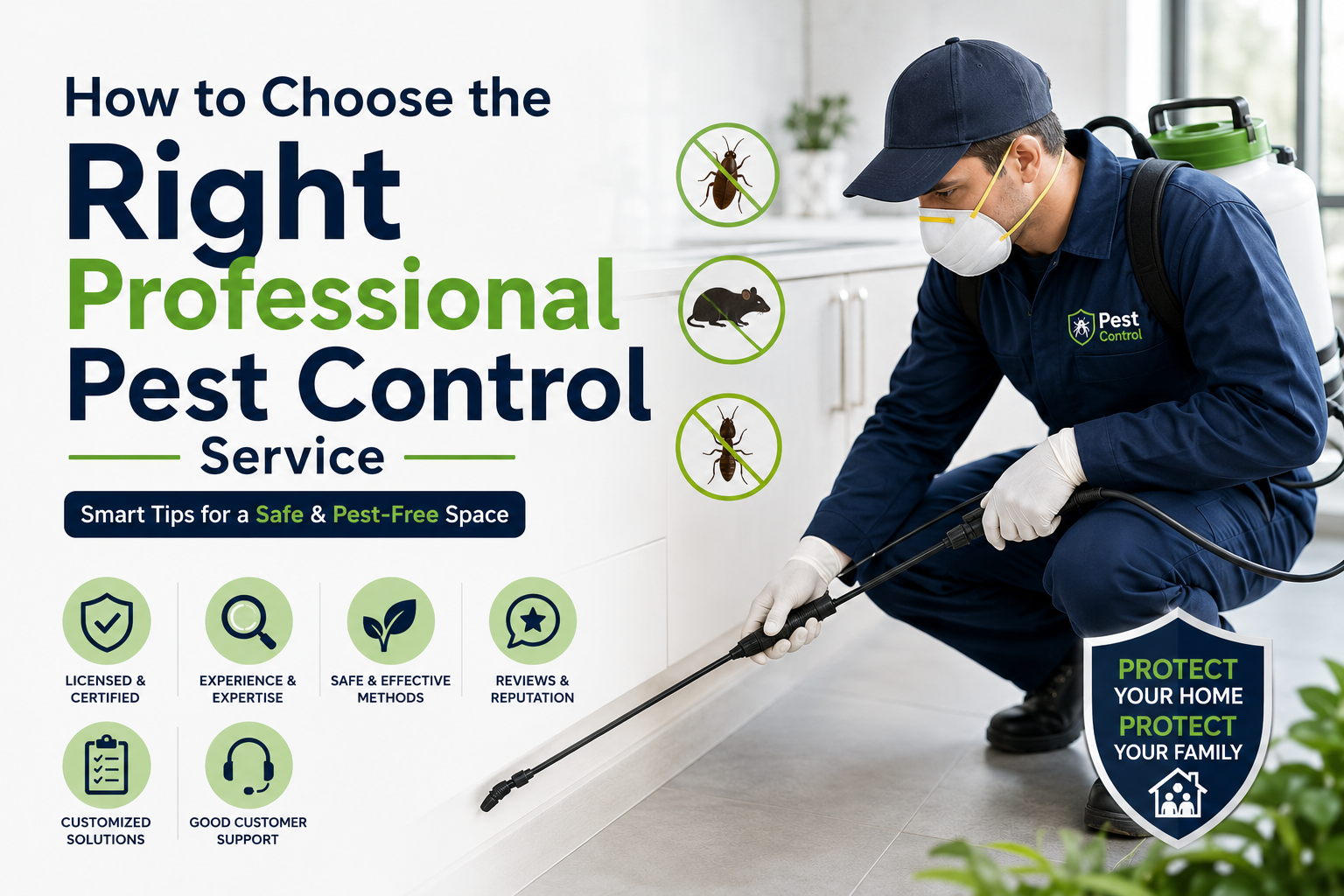
You see a trail of ants marching across your kitchen counter. A mouse scurries past the corner of your eye. Or maybe you notice tiny mud tubes running up the side of your wall — and your stomach drops because you’ve read enough to know what that means. Pests don’t just cause property damage; they carry diseases, trigger allergies, contaminate food, and frankly make your home feel like it’s not quite yours anymore. The natural next step is to search for a pest control company. And that’s where things get complicated. There are dozens of options — local companies, big national franchises, DIY kits, organic services, one-time treatments, and annual contracts. Without a clear guide, most homeowners either pay too much for services they didn’t need, or choose the cheapest option and end up dealing with the same problem three months later. This guide is here to change that. Whether you’re dealing with termites, cockroaches, rodents, bed bugs, or any other unwanted guests, we’ll walk you through exactly what to look for when hiring a professional pest control service — so you can make a confident, informed decision that protects both your home and your family.
Why Professional Pest Control Is Worth the Investment
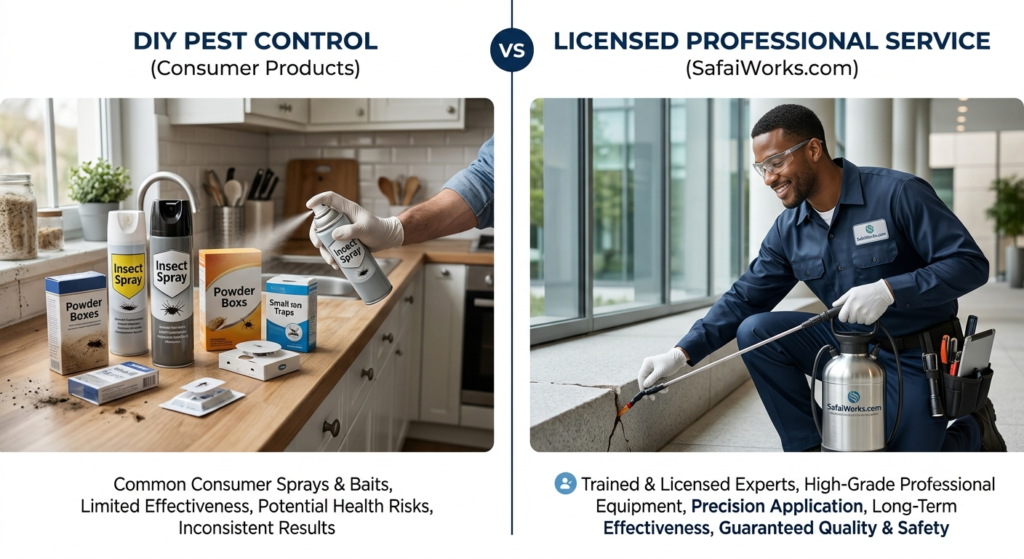
Before we get into what separates a great pest control service from a mediocre one, it’s worth addressing the question many homeowners have: “Can’t I just handle this myself?” The answer, for minor problems like a few ants near a door frame, is sometimes yes. But for anything beyond surface-level nuisances, professional intervention is almost always the smarter long-term choice. According to the National Pest Management Association (NPMA), pests cause more than $5 billion in property damage in the United States each year — and much of that damage happens because infestations go undetected or are treated incorrectly. Termites alone can destroy wooden structures silently for years before homeowners even notice something is wrong. A licensed pest control professional doesn’t just treat what you can see — they identify root causes, access hard-to-reach areas, and apply treatments that are calibrated for both effectiveness and safety. Beyond property protection, think about health. Cockroaches are known to trigger asthma, especially in children. Rodents carry hantavirus and salmonella. Mosquitoes spread West Nile virus. Professional pest control companies have access to EPA-registered products and the training to apply them safely — something most over-the-counter solutions simply can’t match. (For more on pest-related health risks, the CDC maintains an excellent resource at cdc.gov/pests.)
How to Choose the Right Professional Pest Control Service
You see a trail of ants marching across your kitchen counter. A mouse scurries past the corner of your eye. Or maybe you notice tiny mud tubes running up the side of your wall — and your stomach drops because you’ve read enough to know what that means. Pests don’t just cause property damage; they carry diseases, trigger allergies, contaminate food, and frankly make your home feel like it’s not quite yours anymore. The natural next step is to search for a pest control company. And that’s where things get complicated. There are dozens of options — local companies, big national franchises, DIY kits, organic services, one-time treatments, and annual contracts. Without a clear guide, most homeowners either pay too much for services they didn’t need, or choose the cheapest option and end up dealing with the same problem three months later. This guide is here to change that. Whether you’re dealing with termites, cockroaches, rodents, bed bugs, or any other unwanted guests, we’ll walk you through exactly what to look for when hiring a professional pest control service — so you can make a confident, informed decision that protects both your home and your family.
Why Professional Pest Control Is Worth the Investment
Before we get into what separates a great pest control service from a mediocre one, it’s worth addressing the question many homeowners have: “Can’t I just handle this myself?” The answer, for minor problems like a few ants near a door frame, is sometimes yes. But for anything beyond surface-level nuisances, professional intervention is almost always the smarter long-term choice. According to the National Pest Management Association (NPMA), pests cause more than $5 billion in property damage in the United States each year — and much of that damage happens because infestations go undetected or are treated incorrectly. Termites alone can destroy wooden structures silently for years before homeowners even notice something is wrong. A licensed pest control professional doesn’t just treat what you can see — they identify root causes, access hard-to-reach areas, and apply treatments that are calibrated for both effectiveness and safety. Beyond property protection, think about health. Cockroaches are known to trigger asthma, especially in children. Rodents carry hantavirus and salmonella. Mosquitoes spread West Nile virus. Professional pest control companies have access to EPA-registered products and the training to apply them safely — something most over-the-counter solutions simply can’t match. (For more on pest-related health risks, the CDC maintains an excellent resource at cdc.gov/pests.)
| Factor to Evaluate | Local Company | Franchise Brand | Franchise Brand |
|---|---|---|---|
| Licensing & Certification | Varies | Usually Yes | State-issued license + certifications |
| Treatment Methods | Often flexible | Standardized | IPM approach preferred |
| Pricing Transparency | Negotiable | Set packages | Written quotes before service |
| Customer Reviews | Local community trust | National brand reviews | Check Google, BBB, Yelp |
| Guarantees Offered | Varies widely | Often structured | Re-treatment or money-back |
| Eco-Friendly Options | Ask directly | Some brands offer | Low-toxicity products |
| Response Time | Often faster locally | Depends on schedule | 24-48 hour emergency response |
Neither option is universally superior. Local companies often deliver more personalized service and may be more flexible with scheduling, pricing, and treatment customization. National franchises typically offer standardized quality control, established training programs, and stronger satisfaction guarantees backed by corporate resources. The best choice depends on your specific pest problem, location, and preferences — but in either case, the evaluation criteria above apply equally.
Understanding Pricing — What’s Fair and What’s a Red Flag
Getting Accurate, Honest Quotes
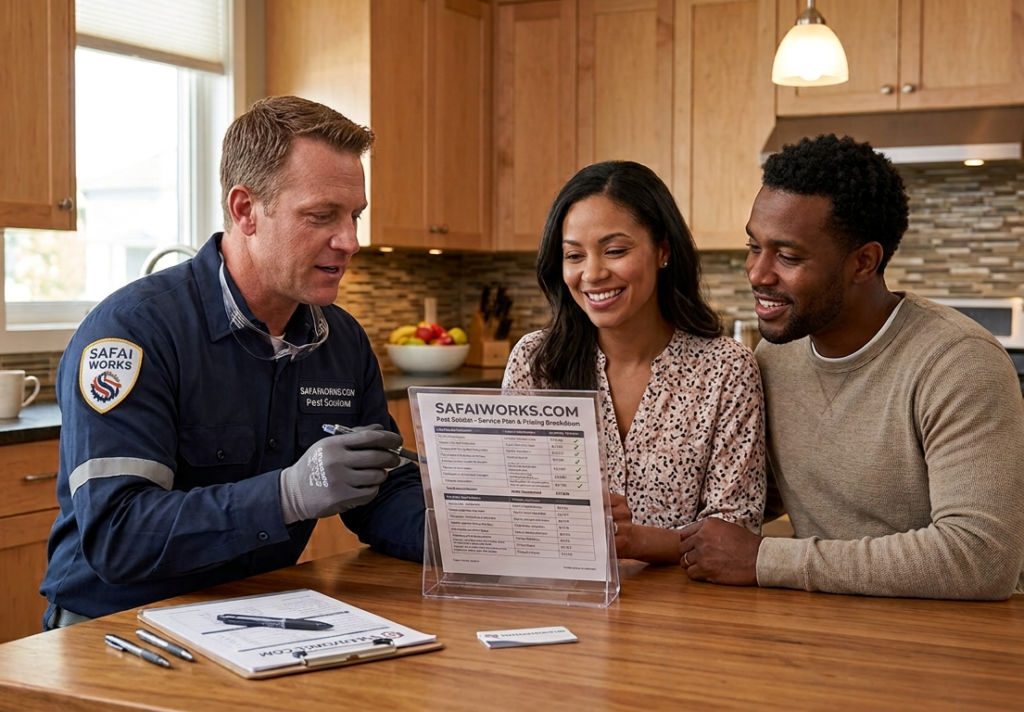
Pricing in the pest control industry varies widely depending on the type of pest, the severity of the infestation, the size of the property, and the treatment method required. Rather than providing a simple “price per square foot” formula, most reputable companies will want to conduct an inspection — either in person or via a detailed virtual consultation — before providing a quote. Be cautious of companies that give you a firm price over the phone without asking about the specifics of your situation. It usually means they’re working from a one-size-fits-all model that may not suit your needs. On the flip side, a company that insists on a paid inspection before giving any pricing estimate at all may be trying to lock you in. Most reputable services offer free initial inspections or consultations.
One-Time Treatment vs. Annual Service Plans
Many pest control companies will pitch you on an ongoing service contract — quarterly visits, monthly treatments, or annual programs. These can be excellent value for homeowners in areas with persistent pest pressure, but they’re not always necessary for every situation. A one-time treatment for a specific, contained problem is often all that’s needed.
That said, for certain pest types — particularly termites, cockroaches, and rodents — ongoing monitoring and prevention genuinely reduce the risk of re-infestation. If a company recommends a service plan, ask them to explain exactly why your situation calls for it and what each visit will include. The answer should be specific and logical, not a generic sales pitch. (Internal link opportunity: see our guide on when annual pest control contracts make sense.)
Questions to Ask Before You Hire Anyone
What does your inspection process involve?
A thorough inspection is the foundation of effective pest control. The company should explain exactly how they’ll assess your property — what areas they’ll check, what they’re looking for, and how they’ll communicate their findings to you. Vague answers here are a red flag.
What products will you use, and are they safe for my household?
You have every right to know what chemicals are being applied in your home. Ask for the names or types of products, and whether they pose any risk to children, pets, or individuals with respiratory conditions. A responsible company will answer this clearly and may suggest precautions like vacating for a few hours or ventilating the space.
What guarantees do you offer if the problem persists?
A reputable company stands behind their work. Look for a written guarantee — either a free re-treatment within a specified period or a partial refund if the problem isn’t resolved. Verbal assurances aren’t enough; get the terms of any guarantee in writing before work begins.
Are you licensed and insured in this state or region?
This one is simple — but many people forget to ask. Make it the first question in any conversation. If a company can’t provide verification quickly and confidently, move on.
Can you provide a written, itemized estimate?
Always get the quote in writing, with a breakdown of what’s included. This protects you from surprise charges and gives you a clear basis for comparing quotes from multiple companies. (Internal link opportunity: use our free pest control quote comparison checklist.)
Common Mistakes Homeowners Make When Hiring Pest Control
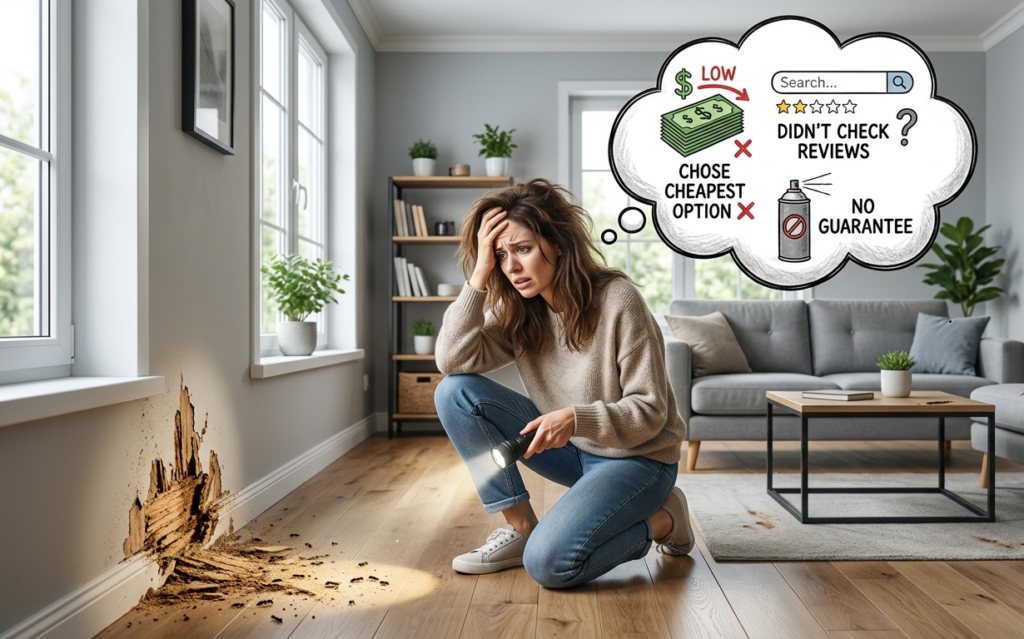
Choosing a pest control service under pressure — right when you’ve discovered a mouse or a termite tube — is exactly when people make avoidable mistakes. The most common is choosing on price alone. The cheapest quote rarely represents the best value. A low price sometimes means skipping inspections, using inferior products, or cutting corners on follow-up visits. You may end up paying twice: once for the cheap service that doesn’t work, and again for the competent one that does. Another frequent mistake is not reading the service agreement carefully before signing. Some contracts auto-renew, charge cancellation fees, or don’t include the services you assumed were covered. Take ten minutes to read through what you’re agreeing to — it can save significant frustration later.Homeowners also sometimes ignore the importance of preparation. No matter how skilled the pest control technician, treatment effectiveness is often reduced when the property isn’t prepared correctly. A good company will give you a pre-treatment checklist — store food properly, move furniture if necessary, clear access to problem areas. Following those instructions closely makes a real difference in outcomes.
Finally, many people treat pest control as a one-time fix rather than part of an ongoing home maintenance mindset. Sealing cracks, removing moisture sources, and keeping food stored in airtight containers are all things that significantly reduce the likelihood of pests returning. (External authority link suggestion: EPA’s Citizen’s Guide to Pest Control and Pesticide Safety — epa.gov)
Conclusion: Make Your Decision with Confidence

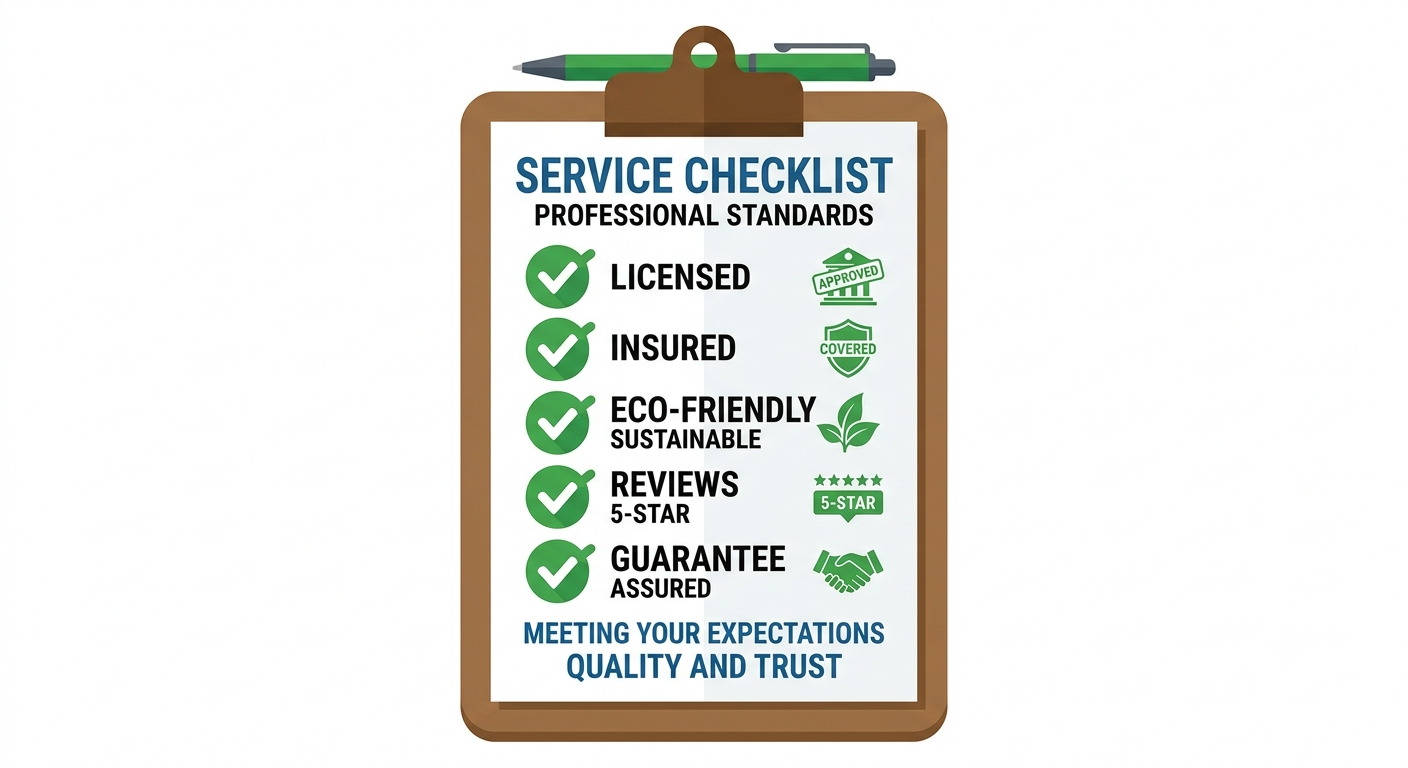
Choosing the right pest control service doesn’t have to feel overwhelming. Once you know what to look for — verified licensing, adequate insurance, relevant experience, transparent pricing, a clear treatment plan, and a solid guarantee — the field narrows quickly from dozens of options to a handful of truly qualified professionals. Take your time, even when the pest situation feels urgent. A rushed decision often leads to a subpar outcome. Make a few calls, ask the right questions, compare written quotes, and trust companies that respond with specificity, honesty, and professionalism — because that’s exactly how they’ll handle the treatment itself. Your home deserves protection you can count on, and your family deserves to feel safe in it. The right pest control partner doesn’t just treat your current problem — they help you prevent the next one. And that peace of mind? That’s worth every rupee, dollar, or pound of a well-chosen professional service.
| Ready to Protect Your Home? Don’t wait for a small pest problem to turn into a costly infestation. SafaiWorks connects you with verified, licensed pest control professionals in your area who deliver safe, effective, and long-lasting results. Book a Free Inspection Today → Visit SafaiWorks.com Trusted by homeowners | Certified professionals | Eco-friendly treatments available |
Leave a Reply